
This post may contain affiliate links.
Every January, I say it: “This is the year we’ll get outside more.”
Then school projects happen. Someone catches a cold. The camping gear stays in the garage, and suddenly it’s October.
Last year, though, something changed. We decided to treat family adventures not as big trips that needed perfect timing, but as a series of small, intentional plans — moments we could actually make happen.
What surprised me most? It wasn’t about finding time. It was about having a simple system. A way to turn “someday” ideas into real weekends.
So, here’s exactly how we’re planning our family’s 2025 adventures — the tools, the rhythm, and the mindset that’s finally helping us live the adventure we talk about all year.
Step 1: Dream Before You Plan
Every January, we have a “Family Adventure Night.” It’s nothing fancy — just cocoa in mugs (mine’s a trusty Hydro Flask that’s basically part of the family at this point) and snacks spread across the table.
The goal? Dream. No logistics, no budgets, no “that’s too far.” We just ask:
- What adventures sound fun this year?
- How often do we really want to go?
- What’s one new thing we want to try?
One year my son said “climb a sand dune.” My daughter said “see a waterfall.” That’s how Bruneau Dunes and Shoshone Falls ended up on the calendar.
I jot everything down in our adventure notebook, and the kids use their Adventure Journal to draw their own lists. It’s chaotic, it’s loud, and it’s the best 45 minutes of our winter.
Step 2: Choose a Few “Anchor Adventures”
We used to overplan — ten trips, fifteen weekends, big dreams. Half of them never happened. Now, we pick three big adventures each year and fill in the rest with what we call “micro-adventures.”
Our anchor adventures are the big ones:
- A long weekend in the Sawtooths
- A camping trip at Bruneau Dunes
- A summer road trip to somewhere new (we’re eyeing Glacier National Park this year)
Then we pepper in smaller things:
- A Sunday drive up to Bogus Basin
- Evening walks on the Boise River Greenbelt
- S’mores night in the backyard
We mark them all on a big Scratch-Off National Parks Map. The kids love scratching off new places, and honestly, it’s become a fun little motivator. Watching that map fill up is like watching our memories grow.

Step 3: Make It Real on the Calendar
This is where the magic happens — and where most plans fall apart if you don’t take this step.
We treat our adventures like appointments. They go on the shared family calendar right alongside dentist visits and soccer games.
I block weekends months in advance. Even if I don’t know where we’re going yet, I write “Adventure Weekend” in green. We all know that means the car is getting packed, and something outdoors is happening.
We also give ourselves backup dates. If the weather turns or life gets messy, we already have a Plan B weekend ready. That one small trick has saved us so many times from saying, “Maybe next month.”
Step 4: Use Tools That Keep It Simple
I used to overcomplicate things — too many apps, too many lists. Now, I stick with a few tools that make planning easy without feeling like another job.
My must-haves:
- Camping Planner: It’s my central hub for campsite notes, packing lists, and reminders.
- Packing Cubes: Game changer. Each kid has their own color, and it cuts our prep time in half.
- Waterproof Map Case: Protects my maps, park permits, and that random doodle my daughter made of “our tent.”
- Scratch Map: Keeps the adventure excitement alive year-round.
And because I’m a big believer in digital helpers too:
- Recreation.gov for campsite alerts and booking.
- AllTrails for researching hikes and downloading offline maps.
- Roadtrippers to map long drives and find those quirky roadside stops.
- Google Calendar for “Adventure Holds.”
- NOAA Weather and Idaho 511 for road and weather conditions before we head out.
When I blend both — old-school gear and digital tools — I stay organized without losing the joy of planning.
Step 5: Build Reusable Base Kits
If there’s one tip that changed my entire experience, it’s this: pre-pack once, then reuse forever.
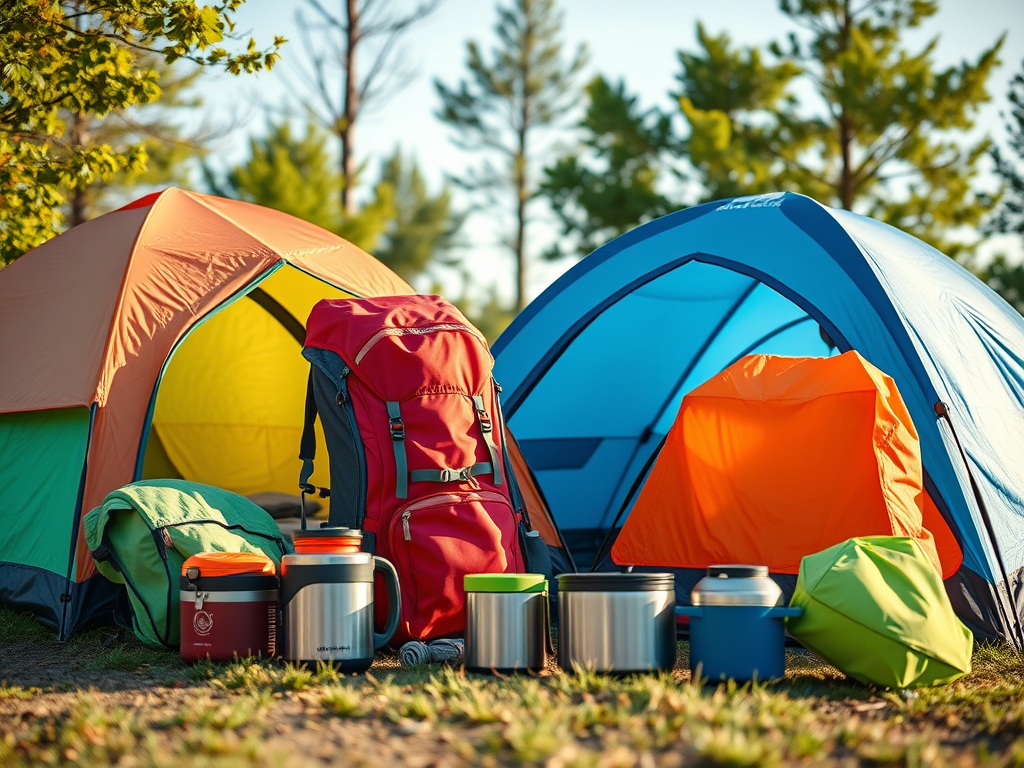
We have three bins that stay in the garage, labeled:
- Kitchen (camp stove, pots, soap, and of course, coffee gear for my Hydro Flask mug)
- Sleep (tent, pads, headlamps, and the kids’ tiny pillows)
- Safety (first aid, backup snacks, flashlights, extra socks)
After every trip, I restock what’s missing before I put the bins away. That way, when a sunny weekend hits, all we have to do is grab the bins and our packing cubes, toss everything in the car, and go.
It takes maybe 20 minutes — which means we actually do it.
Step 6: Plan Smart, Not Complicated
Planning doesn’t have to take all day. Most of our trips come together in under an hour.
Here’s our routine:
- Choose the destination. I scroll AllTrails and narrow it down to two spots.
- Check the weather. NOAA and Weather.gov are my go-tos.
- Book the site. Recreation.gov or a quick call to the ranger station.
- Plan the route. I use Roadtrippers to add kid-friendly stops.
- Organize the info. I keep everything in our Camping Planner — confirmations, maps, and notes.
That’s it. No color-coded spreadsheets, no three-ring binders. Just simple tools that fit around real life.
If I’m feeling extra organized, I’ll even drop everything into a shared Google Doc so my husband can see it, too (because teamwork, right?).
Step 7: Reflect and Remember
One thing I’ve learned: documenting the trip is as important as planning it.
On the drive home, I always ask the kids:
- What was your favorite part?
- What do we want to do differently next time?
- Where do we want to go next?
I write their answers in our Adventure Journal, and we add a little sticker or photo. It takes five minutes, but it’s how our family story builds.
We’ve learned that those small reflections make every trip better — and they remind us why we do this in the first place.
Treasure Valley Adventure Inspiration
If you’re local (or nearby), here are some of our favorite quick adventures that always deliver:
- Bruneau Dunes State Park: sand sledding, stargazing, and sunsets that don’t feel real.
- Bogus Basin: hiking in summer, night skiing in winter, and the alpine coaster is kid-approved.
- Lucky Peak: easy access for picnics, kayaking, or just skipping rocks.
- Kirkham Hot Springs: because sometimes, adventure means soaking under a waterfall.
- Deer Flat Wildlife Refuge: great for birdwatching, biking, or peaceful trail walks.
Sometimes adventure is right in your backyard — and that’s the beauty of setting small, realistic goals.
Gear That Keeps Us Going
I’m not a gear junkie — I’m a mom who likes things that actually work.
Here are the few items that have stuck with us through years of road trips and campouts:
- My Hydro Flask mug for morning coffee (and late-night cocoa).
- Packing cubes — one per kid, zero chaos.
- Waterproof map case for every trail map and park permit.
- Camping Planner to keep my brain uncluttered.
- Adventure Journal for memories I’ll actually remember.
These aren’t fancy. They just make adventure life easier — and that’s worth everything.
What I’ve Learned About Planning Adventures as a Mom
Adventure doesn’t just happen — you make space for it.
It’s a hundred little choices: writing the weekend on the calendar, keeping the bins stocked, packing one day earlier, saying yes to the short hike instead of waiting for the perfect trip.
When I look back, I don’t remember the logistics. I remember the campfire laughs, the sound of the river at 2 a.m., the way the kids’ faces light up when they unzip the tent.
If you’re feeling stuck or overwhelmed about planning adventures this year, start small. Pick one weekend, one trail, one moment to say “let’s go.”
Pour your coffee into that Hydro Flask mug, pull out your calendar, and give adventure a date.
Because the best memories rarely happen by accident — they happen when we make room for them.
 Moms Go Adventure | Camping Essentials, Hiking Gear in Boise ID